
Crypto Breaking News Live: What Actually Matters
A token spikes 18% in twenty minutes, CT starts yelling about a partnership, and half the market is already posting targets before anyone has read the actual announcement. That is the reality of crypto breaking news live - speed matters, but context matters more. If you are trading headlines, rotating sectors, or just trying to avoid getting caught in a fake narrative, the real edge is not seeing news first. It is knowing what kind of news deserves your attention.
Crypto moves on information flow faster than most markets because the market structure is always on. There is no closing bell, no clean pause for recalibration, and no shortage of bad takes dressed up as alpha. For active readers and traders, a live news feed is useful only when it helps separate market-moving developments from recycled hype.
Why crypto breaking news live matters more than ever
In equities, a major filing or earnings report lands inside a mature disclosure system. In crypto, price can react to a tweet, an on-chain transfer, a governance post, a court update, a token unlock schedule, or a rumor that turns out to be nothing. That does not mean every headline matters equally. It means reaction time and interpretation are now part of the same skill set.
The market has also become more fragmented. Bitcoin still sets tone, but Ethereum, Solana, Layer 2 ecosystems, DeFi protocols, AI tokens, meme coins, and exchange-linked assets can all move on their own catalysts. A trader watching only BTC headlines can miss a major shift in risk appetite building elsewhere. That is one reason live coverage has become central to how crypto participants navigate the market.
There is also a second layer that did not matter as much a few years ago - narrative clustering. One ETF rumor, one regulatory comment, or one exchange listing can quickly bleed into related sectors. A bullish Bitcoin headline might lift miners, Layer 2s, and even meme coins if traders read it as a broad risk-on signal. The initial news matters, but the secondary rotation often matters just as much.
Not all breaking news has the same market impact
The biggest mistake in live crypto news consumption is treating every new headline as tradable. Some headlines change positioning. Some create temporary volatility. Some are pure engagement bait.
Regulatory headlines usually carry the widest impact, but even here the market response depends on jurisdiction, timing, and whether the news changes actual operating conditions. A US enforcement action against a major exchange can hit majors, alts, and sentiment at once. A comment from a lawmaker may trend hard and still do very little to prices by the next session.
Exchange and listing news can move faster than regulatory news, especially in mid-cap and low-float names. But the trade-off is obvious: these moves are often front-run, exaggerated, and vulnerable to sharp reversals. If the market has already priced in a listing or integration, the headline may become a sell-the-news event within minutes.
Protocol updates require a different read. A mainnet launch, validator issue, bridge exploit, treasury proposal, or governance shift can have long-term implications even if price barely moves at first. This is where many live feeds fail. They surface the headline but not the deeper relevance. If a protocol’s update affects fees, token emissions, staking demand, or ecosystem incentives, that matters more than whether the coin is green in the first five minutes.
Then there are on-chain signals. Whale transfers, exchange inflows, dormant wallet activity, and stablecoin minting can trigger instant speculation. Sometimes the market reacts correctly. Sometimes it hallucinates a story. A large BTC transfer to an exchange might suggest sell pressure, or it might be internal shuffling. Without context, on-chain “breaking news” is often just a prompt for overreaction.
How to read live crypto headlines without getting trapped
The fastest readers are not always the smartest readers. A better process starts with one simple question: what kind of event is this? If you can classify the headline quickly, you can avoid a lot of bad decisions.
A useful live-news filter starts with source quality. Is the headline based on a primary source like a filing, protocol post, court document, governance proposal, or official company statement? Or is it based on social chatter quoting another account quoting another account? In crypto, bad sourcing spreads because speed gets rewarded before accuracy does.
Next comes market relevance. Ask whether the headline affects liquidity, regulation, token supply, protocol security, user growth, or revenue expectations. Those are durable categories. If the news does not touch one of them, the move may be more emotional than structural.
Then check positioning. If an asset is already up 40% on the week, even bullish news can trigger profit-taking. If a sector has been dead for months, a moderate catalyst can spark an outsized move because nobody is positioned for it. Live news is never consumed in a vacuum. It lands inside an existing market mood.
This is why combining headlines with market data matters. Price performance windows, volume changes, market cap rankings, and trend indicators help answer the question that headlines alone cannot: is the market actually confirming this story? A hot headline with weak follow-through is very different from a hot headline backed by rising volume and broad sector participation.
Crypto breaking news live works best with market context
The most useful setup is not a pure news feed and not a pure price dashboard. It is both. When traders jump between one app for headlines and another for prices, they lose time and often lose the thread. A live environment works better when the story and the numbers sit side by side.
That matters most during crowded news cycles. Think about a day when Bitcoin reacts to macro data, Ethereum catches a fresh ETF rumor, Solana meme coins are ripping, and a major DeFi protocol is dealing with an exploit. Those are not separate universes. Capital rotates between them fast, and sentiment in one pocket of the market can leak into another.
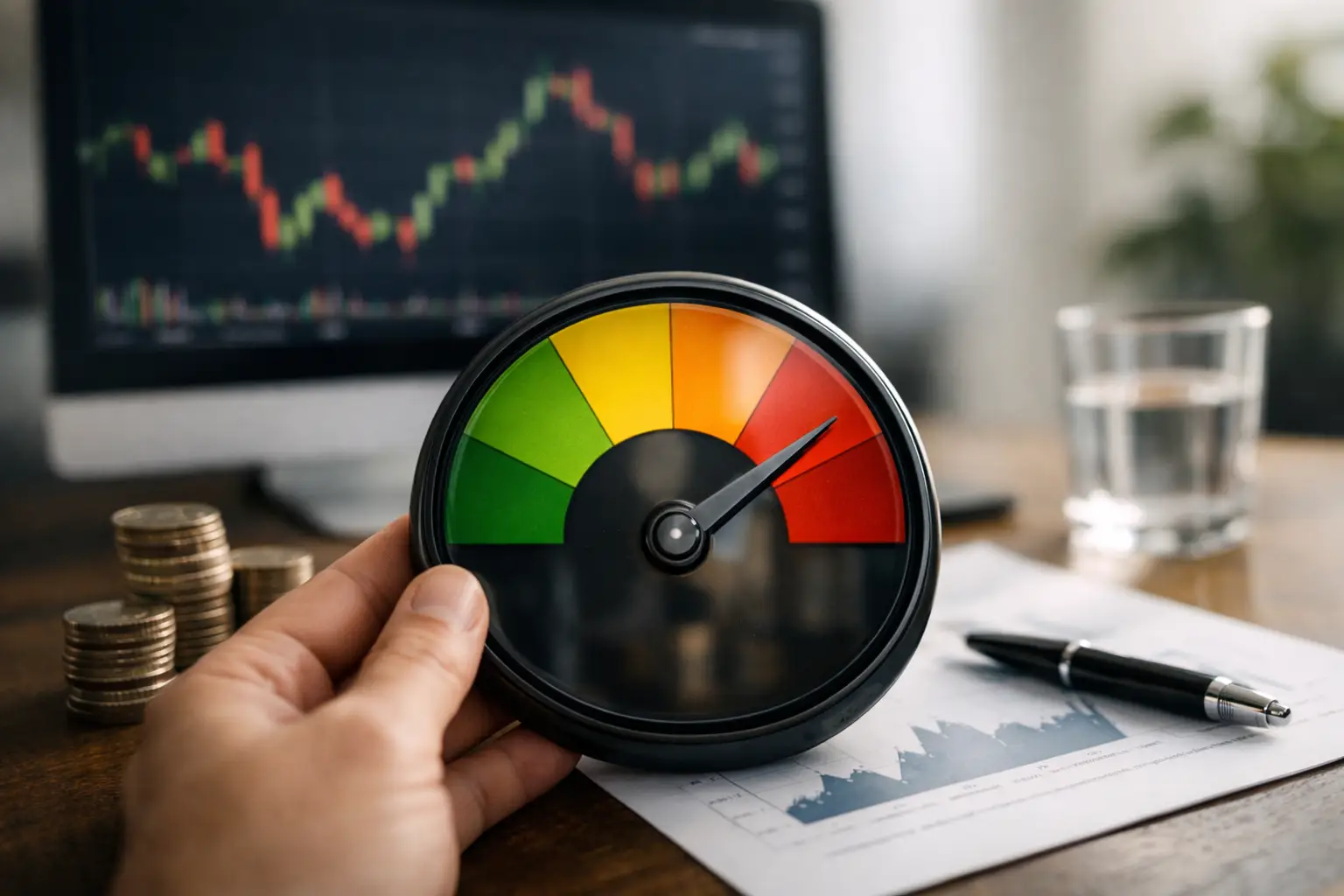
A live news workflow should help readers see that chain reaction. If Bitcoin dominance is rising while alt volumes are fading, a bullish alt headline may not have much room. If Fear and Greed is stretched and every trending label is flashing green, the market may be more vulnerable to disappointment than the feed suggests. Utility-first coverage means showing the headline and the market condition around it.
For crypto-native users, this is not about making every reader a day trader. It is about reducing blind spots. Even long-term holders benefit from knowing whether a move is being driven by real development, macro spillover, leverage, or pure speculation.
Where live news goes wrong
The crypto news cycle is crowded with three recurring problems: lag, amplification, and missing context.
Lag is obvious. By the time some outlets post a “breaking” item, the trade has already happened. Amplification is more dangerous. Small updates get inflated into ecosystem-defining events because engagement thrives on urgency. Missing context is the one that costs readers the most. A bridge exploit without impact estimates, a token unlock without float analysis, or an exchange announcement without liquidity details is not enough information.
This is especially true in overheated sectors like meme coins, AI tokens, gambling tokens, and casino-adjacent narratives where community momentum can outrun fundamentals for a while. These categories can still offer opportunity, but they punish lazy interpretation. A headline can be true and still be useless. It can also be technically minor and still become major if the market decides it fits the current obsession.
That is the uncomfortable part of crypto breaking news live: accuracy alone is not enough. You also need timing, framing, and a read on sentiment.
What smart readers should watch next
The next phase of live crypto coverage will likely be less about raw speed and more about prioritization. Everyone can push alerts. The real value is deciding which developments deserve immediate attention and which belong in the background.
That means more focus on sector mapping. If a stablecoin policy story breaks, readers should be able to connect it quickly to exchanges, DeFi liquidity, payment tokens, and yield protocols. If a sports betting or crypto casino headline starts trending, the relevant angle is not just entertainment value. It is whether there is token exposure, user-growth potential, or regulatory spillover into adjacent markets.
It also means better use of category-based discovery. Readers do not all want the same feed. Some care about Bitcoin and macro. Others want Ethereum scaling, DeFi governance, AI token speculation, or meme coin volatility. A good live news environment respects that and still highlights when a niche story becomes market-wide.
Platforms built for this kind of monitoring, including CryptopiaNews, have an advantage when they treat news and market intelligence as one product rather than two separate experiences. That is where live coverage becomes genuinely useful instead of just loud.
The market will keep rewarding speed, but readers who last in crypto usually build a different habit. They stop asking, “What is breaking?” and start asking, “What changes because this broke?” That one shift cuts through a surprising amount of noise.
0 Comments
Join the conversation
Sign in to comment