
Crypto Market Updates Today That Matter
Bitcoin can trade flat for six hours, then move more in twenty minutes than some stocks do in a month. That is why crypto market updates today are less about noise and more about identifying what is actually driving flows right now. If you are tracking majors, alt rotation, or speculative pockets like meme coins and AI tokens, the market only makes sense when price, volume, sentiment, and headlines are read together.
Crypto market updates today start with Bitcoin
Bitcoin still sets the tone for the whole board. Even when traders are chasing faster upside in smaller caps, BTC decides whether risk stays open or gets pulled back hard. A green Bitcoin with stable dominance usually supports broad participation. A red Bitcoin with rising dominance often means capital is hiding in the largest asset while altcoins get hit harder.
The key thing to watch is not just the price level, but the character of the move. Is Bitcoin grinding higher on steady spot demand, or jumping on short liquidations? Those are very different setups. A spot-led move tends to hold better. A liquidation-driven spike can fade quickly once momentum traders take profit.
Volume matters here. If Bitcoin pushes through a major level on thin volume, traders usually treat it with caution. If that same move comes with expanding volume and strong follow-through from US trading hours, the odds improve that the market is repricing rather than simply reacting.
Why BTC dominance still matters
BTC dominance is still one of the fastest ways to read market posture. When dominance rises alongside a Bitcoin rally, traders are often rotating into relative safety inside crypto. When dominance falls while Ethereum and high-beta alts outperform, the market is signaling more confidence and a broader risk appetite.
That does not mean falling dominance is always bullish. Sometimes it reflects speculative excess, especially when low-quality meme names start posting vertical moves without any meaningful catalyst. Those phases can be profitable, but they usually do not last as long as traders hope.
Ethereum and Layer 2s are the next signal
After Bitcoin, Ethereum tends to decide whether the market can broaden. ETH strength usually helps DeFi, Layer 2 tokens, staking-related plays, and parts of the AI token basket. If Ethereum is lagging badly while Bitcoin rises, it often suggests the market is still defensive under the surface.
Ethereum traders are typically watching a few things at once: ETH/BTC relative strength, activity around ETF-related expectations, network usage, and whether gas conditions are supporting or discouraging onchain activity. This is where context matters. A short-term pop in Ethereum can be headline-driven, but sustained upside usually needs some combination of renewed onchain demand and improving market confidence.
Layer 2 tokens add another layer of complexity. They can outperform when Ethereum sentiment improves, but they are also more sensitive to narrative rotation. If traders move from infrastructure to pure speculation, Layer 2s can lose momentum even in an otherwise constructive market. That is why sector tracking matters more than following a single chart.
Altcoin rotation is alive, but selective
One of the more important crypto market updates today is that altcoin strength is rarely uniform anymore. Capital is rotating in tighter, faster cycles. A few categories can run hard while most of the market does very little. That is a big change from the broad-based alt seasons traders still talk about.
Right now, the market usually rewards coins with one of four things: a strong narrative, fresh liquidity, a clear catalyst, or extremely high social attention. If a token has none of those, it can stay stuck even when the total market cap is rising.
AI tokens are a good example. They tend to move when the broader AI theme regains traction across tech and crypto media, but the quality gap inside the category is wide. Some projects benefit from real ecosystem attention. Others move almost entirely on ticker momentum. Traders who treat the whole sector as one trade often learn that difference the hard way.
Meme coins are even more extreme. They are pure attention markets. Volume, community coordination, exchange visibility, and timing matter more than fundamentals. That can create fast upside, but it also means reversals can be brutal. If you are monitoring meme coin action, liquidity and exit conditions matter as much as the upside target.
DeFi is watching rates, fees, and usage
DeFi tokens tend to need a better market backdrop than meme coins. They usually perform best when users are willing to move capital onchain, chase yield, or position for improving activity across lending, trading, and staking protocols. If fees are too high, if stablecoin flows are weak, or if traders are staying mostly on centralized exchanges, DeFi can struggle to gain momentum.
That said, DeFi often becomes interesting just before broader retail attention returns. The market starts to notice improving protocol revenue, usage metrics, or token-specific catalysts before the crowd fully rotates in. For active participants, that makes DeFi one of the more nuanced areas to watch rather than one of the loudest.
Macro is still part of the trade
Crypto does not trade in a vacuum, especially when liquidity conditions are shifting. Interest rate expectations, Treasury yields, dollar strength, and risk sentiment in equities still affect digital assets. Sometimes the correlation breaks for a few sessions, but it rarely disappears for long.
For traders in the US and Europe, this means macro calendar awareness still matters. Inflation prints, Federal Reserve comments, labor data, and sudden equity weakness can all reset crypto positioning. If Bitcoin is testing a major level into a macro event, conviction should usually be lower until the event passes.
This is where many bad trades happen. A chart can look clean, momentum can look real, and then one macro headline wipes out the setup in minutes. That does not mean traders should avoid risk. It means timing matters. Being right on direction is not always enough if the market gets the sequence wrong.
Sentiment can help, but it can also trap you
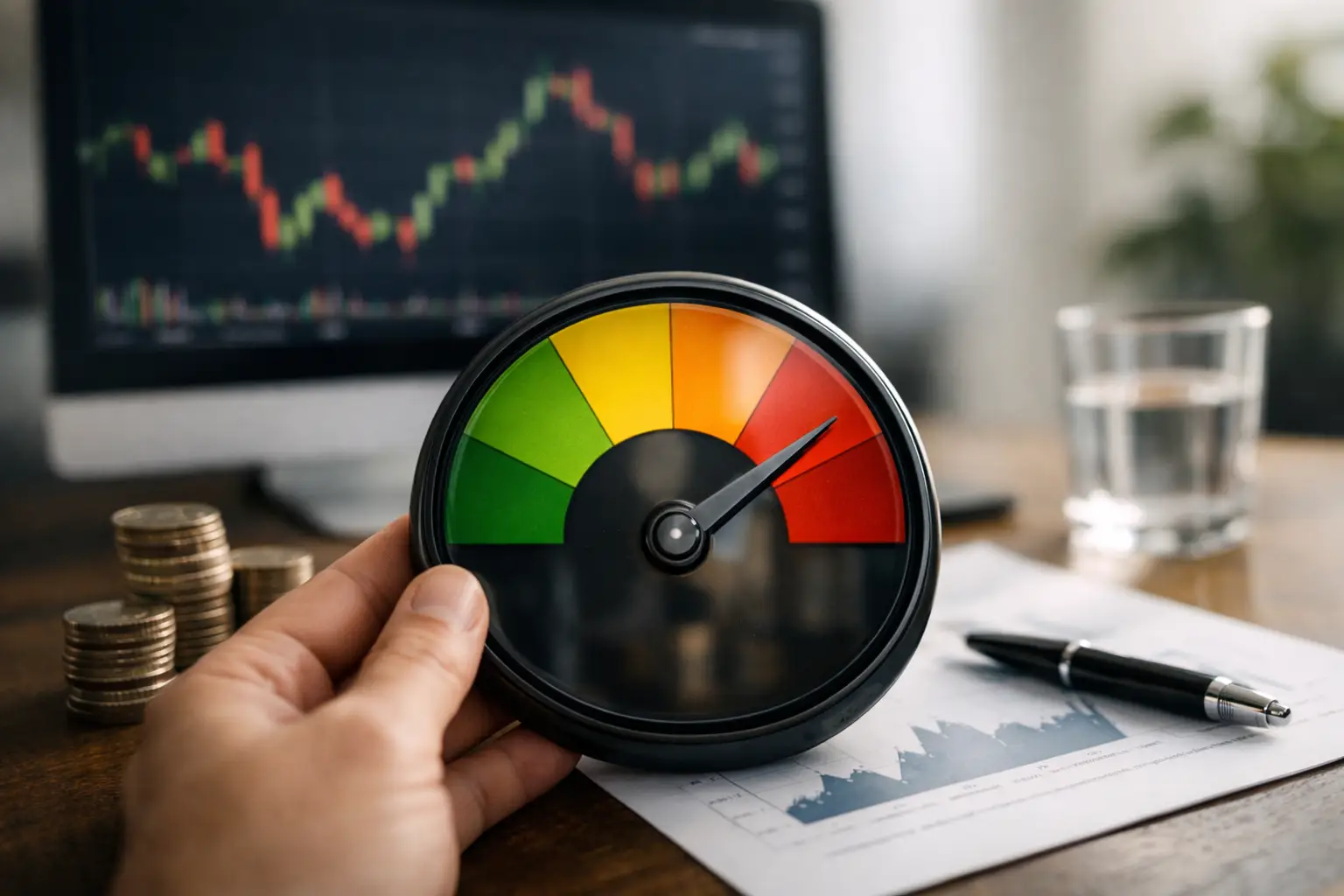
Fear and Greed indicators, social trends, and funding rates are useful, but they work best as context tools. They are less helpful as standalone signals. Extreme greed can stay elevated longer than expected in strong uptrends. Extreme fear can appear near local bottoms, but catching that turn is harder than it sounds.
Funding rates are especially worth watching in fast markets. If they become too aggressive while price stalls, the setup can favor a flush. If sentiment is poor but price refuses to break lower, that can signal seller exhaustion. Again, it depends on the environment. Indicators become more reliable when they line up with price structure and volume, not when they are used alone.
Stablecoins and flows tell the quieter story
Some of the most useful signals are not flashy. Stablecoin inflows to exchanges, spot ETF-related demand patterns, open interest changes, and trading volume by session often say more than a trending headline. If stablecoin balances are growing and exchange activity is picking up, the market may be preparing for deployment. If open interest climbs too quickly without equivalent spot support, leverage may be doing more of the work than real demand.
This distinction matters because leverage can amplify moves both ways. A rally built mostly on derivatives can keep running, but it is less forgiving when sentiment shifts. A spot-supported trend tends to be slower and more durable. Traders who know which one they are in usually make better decisions about position size and time horizon.
What to focus on instead of chasing every headline
The fastest market participants are not reading every story equally. They are filtering. A useful daily process is simple: check Bitcoin and Ethereum structure first, look at dominance, review sector leaders, compare spot volume against derivatives activity, and then layer in the news. That order helps prevent headline bias.
It also helps to separate market-moving developments from engagement bait. Not every token partnership matters. Not every exchange listing changes the trend. Not every social spike becomes a sustained move. The market has become much better at repricing real catalysts quickly and ignoring weak ones just as fast.
For readers using a dashboard-style workflow, this is where a platform like CryptopiaNews fits naturally. The advantage is not just speed. It is seeing price action, category movement, and narrative momentum in one place instead of trying to piece together the market from scattered tabs.
The real takeaway from crypto market updates today
The market remains highly responsive, but it is not moving as one block. Bitcoin is still the anchor. Ethereum is still the expansion signal. Altcoins are trading on tighter narrative cycles. Meme coins and AI tokens can outperform fast, but they also punish late entries. DeFi needs better participation to shine. Macro can interrupt everything.
That mix creates opportunity, but only for traders and investors who stay selective. The smart move is not to predict every swing. It is to know which signals deserve attention today, which sectors are actually attracting capital, and when momentum is real enough to trust. In crypto, the edge is often less about seeing more and more about filtering faster.
0 Comments
Join the conversation
Sign in to comment